Dvija Mehta
My work centres on the ethics of technological tool use — how AI systems and brain-computer interfaces become integrated into cognition, reshaping belief structures and the doxastic authorities that drive action.

At the
intersection of
mind, machine
& morality.
Dvija Mehta is an AI ethicist, neuro-ethicist, and philosopher of mind at the University of Cambridge. Her research explores the normative implications of emerging technologies and how they reshape human cognition, agency, and self-understanding.
Founder & CEO of Arqadia AI, leading a deep-tech stealth BCI startup. Her entrepreneurial work bridges cutting-edge neuroscience research with scalable technology, aiming to develop ethically grounded brain-computer interfaces.
PhD Researcher in the Ethics of Human-AI Interaction & Philosophy of Science. Convener of the Kinds of Intelligence Reading Group at the Faculty of Philosophy, University of Cambridge, exploring artificial intelligence, consciousness, and cognitive science.
Research
Areas
03 Domains
AI Ethics & Governance
Examining the normative frameworks that govern the design, deployment, and regulation of artificial intelligence systems in democratic societies. From algorithmic bias to AI autonomy, interrogating the moral foundations of computational decision-making and questions of accountability, transparency, and fairness.
Neuro-Ethics & BCIs
Investigating the ethical implications of brain-computer interfaces — from cognitive liberty and mental privacy to the augmentation of human cognition. Central to this work is the Contemplation Conundrum: what happens when thought itself becomes a tool interface, blurring the boundary between intentional action and involuntary neural output.
Philosophy of Mind
Probing the nature of consciousness, subjective experience, and whether machine intelligence could ever be genuinely sentient or morally considerable. This research bridges analytic philosophy with empirical neuroscience and AI.
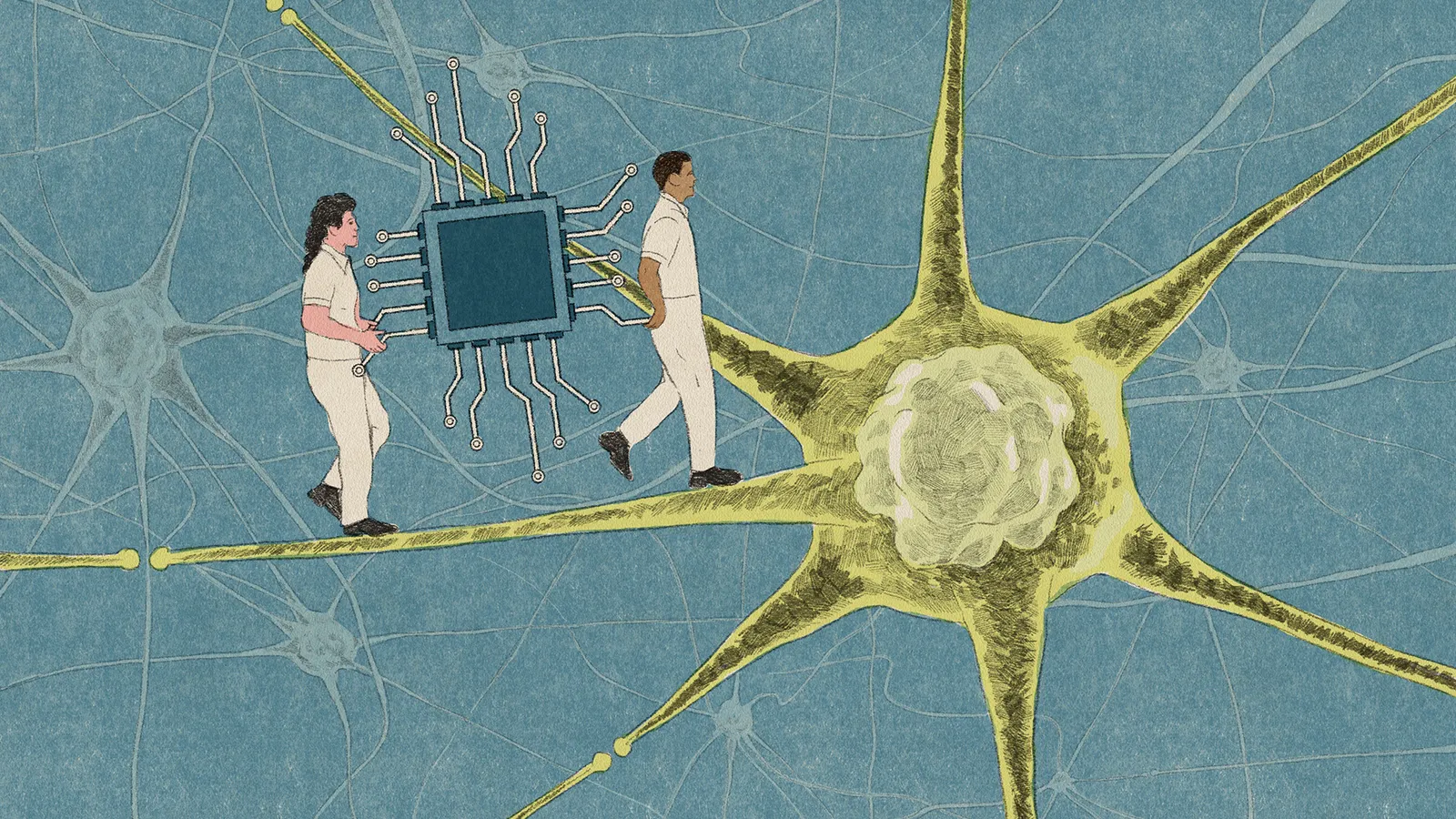
“When we merge mind and machine, the traditional borders of the self dissipate.”Dvija Mehta — BBC Future, 2024
Selected
Writing
All Publications →
BCI Tool Use & the Contemplation Conundrum: Mental Action, Agency & Control
“Under some theories of intentional action, certain BCI-mediated overt movements qualify as both voluntary and unintentional.”
Belief Offloading in Human-AI Interaction
“People's processes of forming and upholding beliefs are offloaded onto an AI system with downstream consequences on their behavior and the nature of their system of beliefs.”